
The Hidden Cost of Burnout
Every organisation dreams of a team that performs at its peak — energetic, creative, and motivated. Yet, behind the scenes, many high-performing professionals are quietly burning out. They don’t always quit with a loud announcement; many simply disengage, lose enthusiasm, and fade away — a phenomenon now being recognised as the silent exit.
The World Health Organization defines burnout as an occupational syndrome resulting from chronic workplace stress that has not been successfully managed. Recent studies suggest that between 52% and 65% of professionals experience some form of burnout each year. The consequences go far beyond fatigue — burnout directly affects innovation, teamwork, and retention.
Wellness coaching is emerging as one of the most effective, evidence-based strategies for tackling this crisis. Whether through executive development or employee well-being programmes, a skilled wellness coach in Singapore can help stem burnout before it turns into resignation.
Understanding Burnout in High-Performance Environments
Burnout is not simply tiredness after a long week. It’s a sustained state of emotional, mental, and physical depletion. It builds gradually when the balance between pressure and recovery collapses.
In high-performing teams, this issue is particularly dangerous. Driven employees often internalise high expectations and neglect rest. They push through exhaustion, convincing themselves that commitment means sacrifice. Over time, this erodes their motivation and sense of purpose.
This is the high-performer paradox: the same qualities that make people excel — ambition, reliability, and perfectionism — also make them more vulnerable to burnout. Without conscious intervention, what begins as passion can quickly spiral into disconnection and quiet resignation.
The Real Price of Burnout-Driven Resignations

When employees silently disengage, the cost to organisations is immense. Turnover disrupts teams, drains resources, and damages morale. Recruitment and retraining expenses rise, but the hidden cost is the loss of experience, trust, and momentum.
Burnout also undermines creativity and problem-solving. Employees under chronic stress make more errors, communicate less, and innovate rarely. A single disengaged manager can affect an entire department’s culture, amplifying stress across the organisation.
Resignations are often the final symptom of a deeper organisational imbalance — one that can be reversed when well-being becomes a strategic priority. This is where wellness coaching plays a transformative role.
From Firefighting to Prevention: The Role of Wellness Coaching
Wellness coaching is not another HR initiative or a one-off workshop. It’s a structured, ongoing process designed to help individuals and teams take ownership of their physical, mental, and emotional well-being.
A wellness coach does not prescribe solutions. Instead, they guide clients through self-discovery, goal-setting, and behavioural change. The focus is on prevention — developing awareness and resilience before stress escalates.
Through techniques like motivational interviewing, SMART goal planning, and reflective dialogue, wellness coaching empowers employees to recognise early signs of burnout, adopt healthier habits, and regain balance. It shifts the conversation from “What’s wrong with you?” to “What support do you need to thrive?”
How Wellness Coaching Reduces Burnout-Driven Resignations
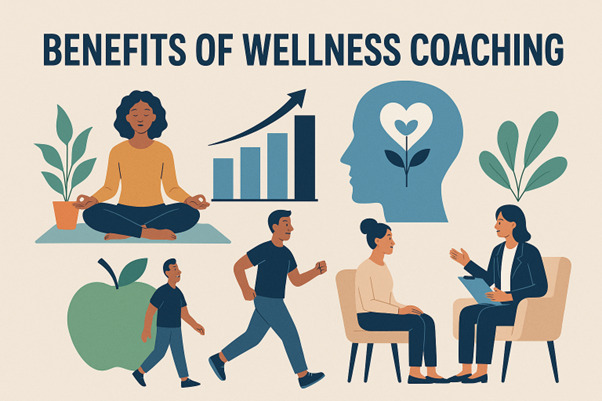
1. Building Self-Awareness and Resilience
Awareness is the first defence against burnout. Many employees don’t realise they are on the edge until exhaustion sets in. Wellness coaching creates a space for reflection — identifying triggers, stress patterns, and emotional responses.
Research shows that self-awareness correlates with lower burnout and higher job satisfaction. Coaches use mindfulness practices, emotional intelligence assessments, and resilience-building tools to help clients respond thoughtfully rather than react impulsively. Over time, they develop coping strategies that reduce stress and sustain energy.
2. Reconnecting Purpose and Values
Burnout often occurs when employees lose connection with meaning. When people can’t see how their efforts matter, motivation wanes. Wellness coaching helps individuals realign their professional goals with personal values — a proven method for increasing engagement and retention.
When employees rediscover why their work matters, they regain a sense of autonomy and fulfilment. This shift from obligation to purpose can reignite enthusiasm, helping organisations retain passionate, purpose-driven talent.
3. Creating a Culture of Psychological Safety
For wellness initiatives to succeed, employees must feel safe to speak up. Psychological safety — the belief that one can express concerns or ask for help without fear — is vital for preventing burnout.
A wellness coach helps teams cultivate trust and empathy, turning competition into collaboration. Through guided conversations, leaders learn to listen actively, encourage openness, and model vulnerability. This fosters a climate where it’s acceptable to rest, recalibrate, and seek support — not a sign of weakness but of self-leadership.
4. Strengthening Leadership and Team Dynamics
Burnout prevention begins with leadership. Managers who value well-being set the tone for their teams. Coaching develops leaders who are empathetic, self-aware, and capable of balancing ambition with compassion.
By integrating elements of team coaching, wellness coaching also strengthens group performance. Leaders learn to manage workloads equitably, recognise effort, and celebrate progress — all of which contribute to a healthier, more engaged culture. Teams coached in this way experience fewer conflicts and demonstrate higher cohesion and creativity.
5. Embedding Sustainable Work Habits
Long-term well-being is built on daily habits. Coaches help employees implement practical tools — from time-blocking to setting digital boundaries — to protect focus and energy.
Employees learn to prioritise rest, manage workloads, and define what “enough” looks like. When balance becomes routine, teams maintain performance without exhausting their people. The result? Reduced absenteeism, improved engagement, and fewer resignations driven by burnout.
Integrating Wellness Coaching Across the Organisation
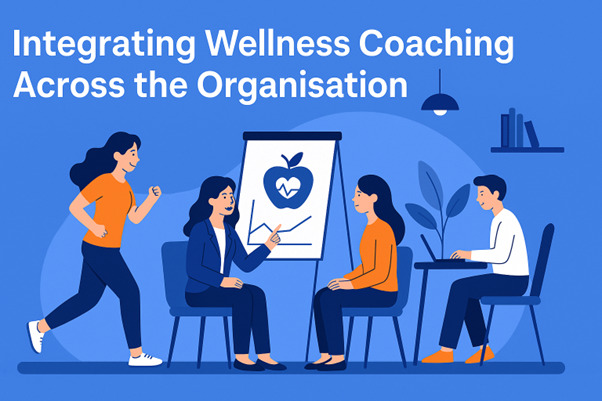
1. Train and Certify Internal Coaches
Organisations can cultivate a coaching culture by developing certified internal coaches. These individuals become trusted well-being ambassadors who support peers and model sustainable performance behaviours.
Accredited training ensures coaches operate ethically and effectively. The demand for qualified wellness coaches continues to rise globally, and wellness coaching programmes are helping organisations embed these competencies across departments.
2. Embed Coaching into well-being Programmes
For real impact, wellness coaching should not sit in isolation. It should be integrated into existing well-being frameworks, leadership development, and performance management.
Offer employees access to one-to-one or group coaching sessions. Incorporate well-being discussions into regular check-ins. Encourage leaders to use coaching conversations rather than performance policing. This normalises self-care and fosters accountability for well-being.
3. Measure Impact and Communicate Results
Wellness coaching delivers measurable outcomes when tracked effectively. Metrics such as employee engagement, turnover rates, stress levels, and absenteeism provide valuable insights.
Regular feedback loops demonstrate ROI and reinforce leadership commitment. As data accumulates, organisations can refine their well-being strategies, targeting areas where burnout risk remains high.
The Future of Wellness Coaching in the Workplace
Workplaces are evolving faster than ever. Hybrid and remote teams blur boundaries between work and rest, making burnout harder to detect. In this new environment, wellness coaching becomes not just beneficial but essential.
The future lies in systemic approaches — integrating individual well-being with team dynamics and organisational culture. Rather than treating symptoms, wellness coaching addresses root causes: workload design, communication norms, and leadership styles.
Forward-thinking organisations are already shifting from performance-first models to well-being-driven cultures. They recognise that sustainable success depends on human energy, not endless output.
Turning the Silent Exit into a Sustainable Stay
Burnout-driven resignations aren’t inevitable. They’re a signal — a call to create healthier, more supportive workplaces. Wellness coaching offers a proactive path forward, turning disengagement into empowerment.
By fostering awareness, resilience, and purpose, a wellness coach helps employees rediscover their motivation and commitment. More importantly, it reminds organisations that people aren’t replaceable resources — they’re their most valuable asset.
When well-being becomes strategy, not just sentiment, performance and retention follow naturally. The silent exit gives way to sustainable stay — where individuals thrive, teams perform, and organisations prosper.
Final Thoughts
The message is clear: burnout prevention is not a luxury; it’s a leadership responsibility. Investing in wellness coaching is investing in longevity — of both people and performance.
A culture that values rest as much as results will always outperform one that glorifies exhaustion. Through skilled wellness coaching, organisations can shift from managing burnout to mastering balance — creating workplaces where success no longer comes at the cost of well-being.